
What to Know Before Buying Raw Land in Texas
- collin656
- 7 days ago
- 6 min read
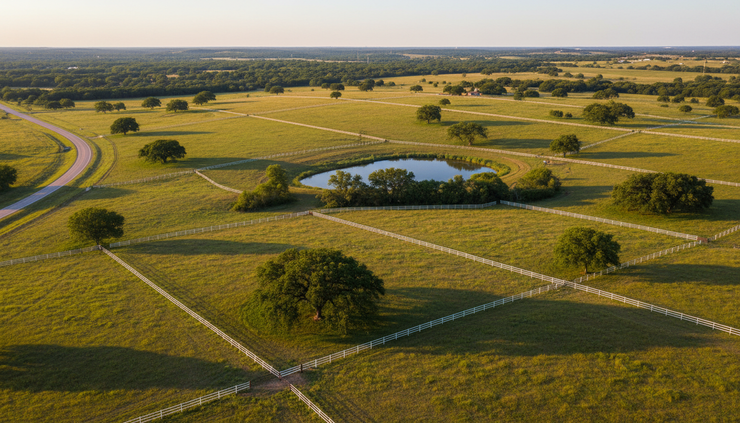
Raw land can look simple from the road. A fence line, a gate, a few acres, and a big Texas sky. But the details behind that property can decide whether it becomes a dream homesite, a working ranch, a long-term hold, or an expensive surprise.
If you are buying land in Texas for the first time, slow down before you focus on price per acre alone. The best parcel is not always the cheapest one. Access, utilities, restrictions, taxes, water, and financing can change the real cost fast.
This guide covers the main things to know before buying land, especially for first-time buyers and out-of-state relocators comparing vacant land Texas buying tips.

Utility and electric access can affect your true land cost
One of the first questions to ask is simple: Are utilities available at the property line?
Raw land Texas buyers often assume electricity, water, and internet can be added later without much trouble. Sometimes that is true. In other cases, utility access can add months of planning and major costs.
Start with electric service. Look for nearby poles and lines, but do not rely on sight alone. Call the local electric provider and ask:
Whether power is available to the tract
How far the nearest service point is
Whether an extension is needed
Who pays for new poles, trenching, or meters
How long service installation usually takes
Water matters just as much. Some Texas land has access to a public water supply or rural water district. Other tracts require a private well. A well can be workable, but location, depth, water quality, and drilling cost vary by area.
Also ask about septic. Many rural properties are not connected to municipal sewer. That means you may need an on-site septic system, which usually requires soil evaluation, setbacks, and county approval.
Internet and cell service are easy to overlook. If you plan to work remotely, test signal strength on-site and research fixed wireless, fiber, satellite, or rural broadband options before buying.
Easements and right-of-way issues need careful review
Easements give someone else a legal right to use part of the property for a specific purpose. They are common in Texas, and many are harmless. Others can limit where you build, fence, drill, clear, or place a driveway.
Common easements include:
Utility easements for power, water, pipelines, or telecom lines
Access easements for neighboring properties
Drainage easements
Conservation or flood-related easements
Road maintenance agreements
A right-of-way is often tied to access. For example, a neighbor may have the right to cross your land to reach their property. Or you may need to cross someone else’s land to reach yours.
Before closing, review the title commitment, survey, and recorded documents. A survey should show visible easements, encroachments, and access points. If anything is unclear, ask a real estate attorney or title company to explain it before you proceed.
Never assume a dirt path, ranch road, or neighborly handshake gives you permanent legal access.
Mineral rights may not transfer with the surface land
Texas separates surface rights from mineral rights. That means one person can own the land at the surface while another person owns the oil, gas, or other minerals below it.
When buying land, ask whether mineral rights are included, excluded, or partially retained by a previous owner. In many Texas transactions, mineral rights have been severed over time and may not convey with the sale.
This does not always mean you should walk away. Many buyers purchase land without minerals. But you should understand the risk. Mineral owners may have certain rights to access the surface to develop minerals, subject to lease terms and Texas law.
Ask for:
The seller’s mineral disclosure
Title company review of mineral reservations
Any existing leases
Surface use agreements, if available
This is one area where professional guidance matters. Mineral ownership can be complex and title records may go back generations.

Agricultural exemptions can lower taxes, but they come with rules
Many Texas land listings mention an “ag exemption.” Technically, this is often an agricultural valuation, not a simple exemption. It can reduce property taxes by valuing land based on agricultural use rather than market value.
That can be a major benefit. But it is not automatic forever.
Counties set standards for qualifying agricultural use. Common uses include grazing livestock, hay production, crop production, beekeeping in some cases, or wildlife management if requirements are met.
Before relying on an ag valuation, verify:
Whether the property currently has agricultural valuation
What use qualifies in that county
How many acres are needed for the intended use
Whether the current use must continue after purchase
Whether rollback taxes could apply if the use changes
Rollback taxes can be costly if land is taken out of qualified agricultural use. Ask the county appraisal district and a tax advisor before changing land use or subdividing.
Road access and deed restrictions can shape what you can do
Not all access is equal. A property may front a public road, sit on a private road, or depend on an easement across another tract. Public road frontage is often simpler, but not always required if legal access is clearly recorded.
Confirm whether the road is maintained by the county, a private road association, nearby owners, or no one at all. If the road washes out, needs gravel, or requires a culvert, you need to know who pays.
Deed restrictions are another key issue. Some buyers want land because they expect freedom. Yet many rural tracts have rules that limit use.
Restrictions may cover:
Minimum home size
Mobile homes or manufactured homes
RV use
Short-term rentals
Commercial activity
Livestock type or number
Shooting, hunting, or nuisance rules
Subdivision limits
Also check county rules, floodplain maps, city extraterritorial jurisdiction, and any homeowners’ or property owners’ association documents. Land just outside fast-growing areas such as Cedar Park, Leander, and other Central Texas communities may face added development pressure and changing rules.

Financing raw land works differently than financing a home
Buying vacant land is not always financed like a house. Lenders see undeveloped land as a different type of risk because there is no completed home as collateral.
Raw land loans often require:
Larger down payments
Shorter loan terms
Higher interest rates
Stronger credit and cash reserves
Detailed plans for use or improvement
Some buyers use local banks, farm credit lenders, seller financing, cash, or a construction loan if they plan to build soon. Each option has tradeoffs.
Seller financing can be flexible, but the terms need close review. Ask about the interest rate, balloon payments, prepayment penalties, default terms, and whether title transfers at closing or after payoff.
If you plan to build, speak with a lender before you buy. A homesite that looks affordable may not fit your construction budget once you add clearing, driveway work, septic, well, electric extension, engineering, permits, and site prep.
Do your due diligence before the option period ends
A strong land contract gives you time to inspect, review documents, and confirm whether the property fits your goals. Use that time well.
Your due diligence checklist should include:
Confirm legal access
Review the survey and title commitment
Check utility availability
Research water and septic options
Review deed restrictions and easements
Verify floodplain status
Ask about mineral rights
Confirm agricultural valuation and tax history
Walk the property after rain if possible
Get estimates for major improvements
Do not rely only on listing remarks. A good listing can point you in the right direction, but county records, title documents, utility providers, and professional inspections tell the fuller story.
Work with a Texas land specialist before you commit
Raw land can be a smart purchase, but the details matter. The best tract is the one that fits your budget, timeline, building plans, access needs, and long-term use.
A Texas land specialist can help you ask better questions before you make an offer, compare properties more clearly, and spot issues that are easy to miss from out of state.
If you are actively looking at acreage, rural homesites, ranch land, or recreational property, reach out to a Texas land specialist for guidance before you sign. A careful review on the front end can save time, money, and frustration after closing.


Comments