
Texas Ag Exemption 101 How to Qualify and Why It Matters for Land Buyers
- collin656
- Aug 10
- 6 min read
Property taxes can change the math on a Texas land purchase fast. A tract that looks affordable on paper may carry a very different long-term cost depending on how the county values it. That is why the Texas ag exemption is one of the first things serious land buyers ask about.
Despite the name, it is not a total escape from property taxes. It is a special way of valuing qualifying rural land based on agricultural use rather than market value. For the right property, that can mean meaningful annual savings.
This guide explains what the agricultural exemption Texas land buyers often hear about really means, how to qualify, what to verify before buying, and how to move forward with confidence.
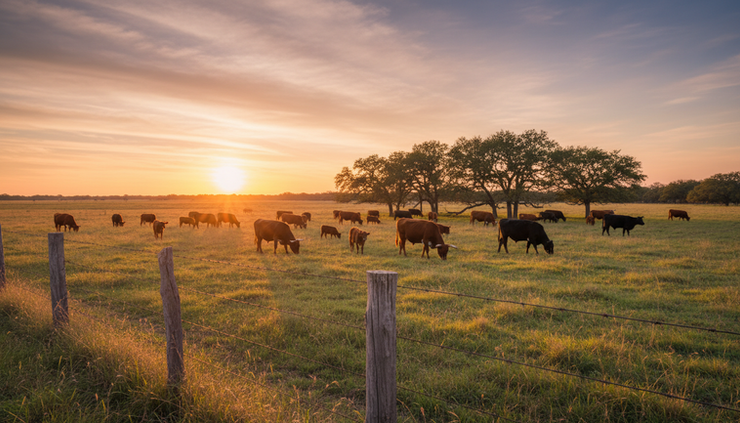
What a Texas ag exemption really is
A Texas ag exemption is commonly used to describe an agricultural special valuation for property tax purposes. If land qualifies, the county appraisal district may value the land based on its agricultural productivity instead of its open-market value.
That distinction matters.
Market value looks at what the land might sell for. Productivity value looks at what the land can reasonably produce through agriculture, such as grazing livestock, growing hay, farming crops, or other approved agricultural uses.
In many parts of Texas, especially near growing cities or recreational land markets, market value can be much higher than agricultural productivity value. The lower valuation can reduce the taxable value of the land, which may lower the annual property tax bill.
The land still appears on the tax roll. Taxes are still owed. The benefit comes from how the land is appraised.
Why it is not a true tax exemption
The phrase “ag exemption” is a bit misleading. In Texas, this benefit is usually not an exemption in the traditional sense. A true exemption removes part or all of a property’s value from taxation, such as a homestead exemption.
Agricultural valuation works differently. It keeps the land taxable but changes the method used to calculate its taxable value.
A simple way to think about it:
Common phrase | What it usually means in practice |
Ag exemption | Special agricultural valuation |
Tax savings | Lower taxable land value based on productivity |
Exempt land | Land that may currently qualify for ag valuation |
Losing the exemption | Land no longer qualifies and may face rollback taxes |
This is why buyers should be careful with listings that advertise ag exempt land Texas without further detail. The property may currently have an agricultural valuation, but that status is not automatic forever. It must be maintained through qualifying use.

How to qualify for ag exemption in Texas
Each county appraisal district reviews agricultural valuation applications under Texas law and local guidelines. The exact details can vary by county, land type, and agricultural activity, but most reviews focus on three major factors.
The land must be used for agriculture
The property generally needs to be devoted principally to agricultural use. Common examples include:
Raising cattle, sheep, goats, or other livestock
Producing hay
Growing crops
Beekeeping, where allowed and properly managed
Orchard, vineyard, or timber production in applicable cases
Wildlife management, if converted properly from an existing ag valuation
A few animals placed on a property for appearance usually will not be enough. The use must be real, ongoing, and consistent with accepted agricultural practices in that area.
The property must meet local acreage expectations
Texas does not have one statewide minimum acreage that applies to every property in every county. Instead, appraisal districts often use local guidelines based on the type of agricultural operation and the land’s capacity.
For example, the acreage needed for cattle grazing may differ from the acreage needed for beekeeping, hay production, or orchard use. Soil type, rainfall, carrying capacity, and regional practices all matter.
This is one reason buyers should contact the county appraisal district before assuming a small tract will qualify.
The use must meet the degree of intensity standard
“Degree of intensity” means the agricultural activity must be typical for the area. The county looks at whether the land is being used in a normal, serious agricultural way compared with similar properties nearby.
For grazing, that may involve adequate livestock numbers for the acreage and conditions. For hay production, it may involve regular cutting, baling, and upkeep. For beekeeping, it may involve the right number of hives and proper management.
The goal is to show that the land is not merely rural in appearance. It is actually being used for agriculture.
The land usually needs a qualifying history
New buyers often ask how to qualify for ag exemption in Texas right after closing. In many cases, land must have a history of agricultural use before it qualifies.
The general rule is often described as five of the preceding seven years of qualifying agricultural use, though buyers should confirm the specific requirement with the county appraisal district. If the property already has the valuation, the buyer’s job is usually to continue the qualifying use and file required paperwork on time.
If the land does not already qualify, expect the process to take time.
How much property tax savings can it provide
The savings from agricultural valuation can be significant, but they vary widely. They depend on the county, school district, tax rates, land market value, productivity value, acreage, and use type.
A property near a fast-growing area may have a high market value because of development or recreational demand. If it also qualifies for agricultural valuation, the taxable land value may be much lower than the sale price would suggest.
That can help buyers in several ways:
Lower annual carrying costs
Better long-term affordability
More flexibility for ranching, farming, or holding land
Reduced pressure to generate immediate income from the property
That said, buyers should never rely only on a listing description. Always review the current tax statement and appraisal district records.
Also watch for rollback taxes. If qualified land stops being used for agriculture or changes to a non-agricultural use, the owner may owe additional taxes for prior years, plus interest. This can be a major cost, especially when land is converted to residential or commercial development.
Agricultural valuation can be valuable, but it comes with responsibilities. The tax benefit usually follows the land use, not just the landowner’s intent.

How buyers can tell if a property already has ag valuation
Before making an offer, confirm the property’s tax status through reliable sources. A seller or listing agent may describe the land as ag exempt, but the county appraisal district records are the key source.
Start with these steps:
Search the county appraisal district website
Look up the property by owner name, address, or parcel ID. Review the land value, market value, productivity value, and exemption or special valuation notes.
Ask for the current property tax statement
The tax bill can help show how the land is currently valued and what taxes are being paid.
Request agricultural use records
Useful records may include grazing leases, hay receipts, livestock records, beekeeping documentation, or wildlife management plans.
Ask whether any rollback risk exists
If the seller changed the use, subdivided the land, or stopped agricultural activity, there may be tax consequences.
Call the appraisal district
County staff can explain local guidelines, pending applications, filing deadlines, and whether the current use appears to match the valuation.
This due diligence should happen during the option period or before closing. Once the purchase is complete, the new owner may inherit both the opportunity and the responsibility.
How to apply after buying land
If the land already has agricultural valuation, the county may require the new owner to file an application or update ownership information. Do not assume the benefit transfers without action.
If the land does not have the valuation, contact the county appraisal district and ask for:
The agricultural valuation application
Local guidelines for qualifying uses
Acreage and degree of intensity standards
Documentation requirements
Filing deadlines
Rules for wildlife management conversion, if relevant
Keep clean records from day one. Save lease agreements, receipts, photos, livestock counts, production records, or management plans. Good documentation can make a major difference if the county reviews the application.
Buyers planning to lease the land to a rancher or hay producer should put the agreement in writing. A handshake arrangement may be common in rural areas, but written records help support the land’s agricultural use.

What land buyers should do before making an offer
A property with agricultural valuation can be a strong opportunity, but only if the use, records, and buyer’s plans line up.
Before making an offer, ask:
Does the property currently have agricultural valuation?
What agricultural use supports it?
Is the use active today?
Are there leases or records to prove it?
Has any part of the property been taken out of ag use?
Could the buyer’s intended use affect qualification?
Are rollback taxes possible?
This article is for general informational purposes only and is not tax, legal, or appraisal advice. Rules and county practices can change, and each property has its own facts.
If you are evaluating rural property, talk with a Texas land specialist who understands agricultural valuation, county appraisal records, and land-use questions. The right guidance can help you spot risks early, protect your budget, and buy with a clearer picture of the land’s true carrying cost.


Comments